
Professional Development Tips
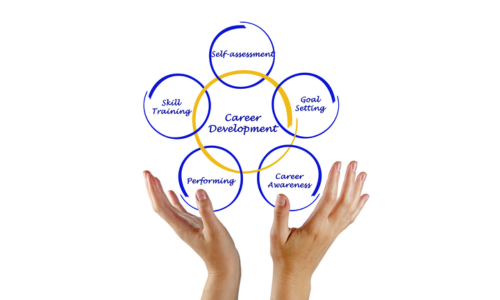
Professional development is the continuous process of improving your skills, knowledge, and experience to grow in your career. In today’s fast-changing job market, staying updated and learning new abilities is essential for long-term success. Whether you are a beginner or an experienced professional, focusing on development helps you stay competitive and achieve better opportunities.
Why Professional Development Matters
Professional development helps individuals perform better at work and prepare for future roles. It increases confidence, improves productivity, and makes employees more valuable to employers.
Companies also prefer workers who are willing to learn and adapt. Continuous learning shows commitment, which often leads to promotions and salary growth.
Key Areas of Professional Development
The table below highlights important areas where professionals should focus their development efforts.
| Area | Description |
|---|---|
| Technical Skills | Job-specific skills like software, tools, or systems. |
| Communication Skills | Ability to speak, write, and present clearly. |
| Leadership Skills | Managing teams and making decisions effectively. |
| Time Management | Organizing tasks and meeting deadlines efficiently. |
| Problem-Solving | Finding effective solutions to workplace challenges. |
| Networking | Building professional relationships in your industry. |
| Emotional Intelligence | Understanding and managing emotions in the workplace. |
Keep Learning Continuously
One of the most important professional development tips is continuous learning. Industries are constantly evolving, especially in technology, marketing, and finance.
You can improve your skills through online courses, certifications, workshops, and reading industry-related content. Even small daily learning habits can make a big difference over time.
Set Clear Development Goals
Having clear goals helps you stay focused on your growth. Identify what skills you need to improve and set realistic timelines to achieve them.
For example, you might set a goal to learn data analysis within six months or improve communication skills through practice and training.
Gain Practical Experience
Real-world experience is one of the best ways to develop professionally. Internships, volunteering, freelancing, and project work help you apply your knowledge in practical situations.
Experience also helps you understand workplace challenges and improves your problem-solving abilities.
Improve Communication Skills
Strong communication is essential in almost every job. Being able to express ideas clearly and listen effectively improves teamwork and reduces misunderstandings.
Practice speaking, writing, and presenting regularly to build confidence and professionalism.
Build a Professional Network
Networking plays a key role in professional development. Connecting with industry professionals can lead to job opportunities, mentorship, and valuable advice.
Platforms like LinkedIn, industry events, and workplace relationships are great ways to expand your network.
Stay Adaptable and Open to Change
The modern job market changes quickly. Professionals who adapt easily to new tools, technologies, and environments have better career growth opportunities.
Being flexible also helps you handle unexpected changes and challenges more effectively.
Conclusion
Professional development is a continuous journey that helps individuals grow in their careers and stay competitive in the job market. By improving skills, gaining experience, setting goals, and building networks, professionals can achieve long-term success. Consistent effort and learning are the keys to building a strong and successful career.