How to Negotiate Your Salary
How to Negotiate Your Salary
Salary negotiation is an important skill that can significantly impact your long-term earnings and career growth. Many people accept the first offer they receive, but employers often expect candidates to negotiate. Knowing how to approach this process professionally can help you secure a better salary and improved job benefits.
Why Salary Negotiation Matters
Salary negotiation ensures that your skills, experience, and value are properly recognized. It can lead to higher pay, better benefits, and improved job satisfaction.
Over time, even small increases in starting salary can make a big difference in lifetime earnings. It also sets a positive standard for future raises and promotions.
When to Negotiate Your Salary
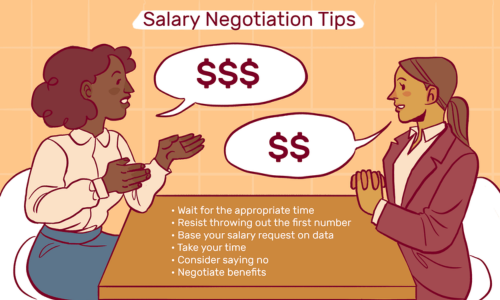
Timing is very important in salary discussions. The best time to negotiate is usually after receiving a job offer but before officially accepting it. At this stage, employers are most flexible.
For current employees, salary negotiations often happen during performance reviews or after successfully completing major projects.
Steps to Successfully Negotiate Salary
The table below explains key steps to help you negotiate your salary effectively.
| Step | Description |
|---|---|
| Research Market Salary | Understand the average pay for your role and industry. |
| Know Your Value | Identify your skills, experience, and achievements. |
| Wait for the Offer | Let the employer present a salary first. |
| Be Professional | Communicate politely and confidently. |
| Present Your Case | Explain why you deserve higher compensation. |
| Be Flexible | Consider benefits like bonuses, remote work, or extra leave. |
Research Before Negotiation
Before discussing salary, it is important to research industry standards. Knowing the average salary for your role helps you set realistic expectations and avoid underpricing yourself.
You can use job portals, company websites, and professional networks to gather salary information. This preparation strengthens your negotiation position.
Communicate with Confidence
Confidence is key during salary discussions. Speak clearly and professionally, and avoid sounding demanding. Focus on your skills, achievements, and the value you bring to the company.
It is also important to stay calm and respectful, even if the initial offer is lower than expected.
Consider the Full Compensation Package
Salary is not the only factor to consider. Many companies offer additional benefits such as health insurance, bonuses, flexible working hours, and training opportunities.
Sometimes a slightly lower salary with strong benefits can be more valuable than a higher salary with fewer perks.
Common Mistakes to Avoid
One common mistake is accepting the first offer without discussion. Another mistake is being too aggressive or emotional during negotiation.
It is also important not to exaggerate your qualifications, as honesty builds long-term trust with employers.
Conclusion
Salary negotiation is a valuable skill that helps you earn what you truly deserve. By researching the market, understanding your value, and communicating professionally, you can improve your chances of receiving a better offer. With practice and confidence, salary negotiation can become a powerful tool for long-term career success.