
How to Ask for a Raise
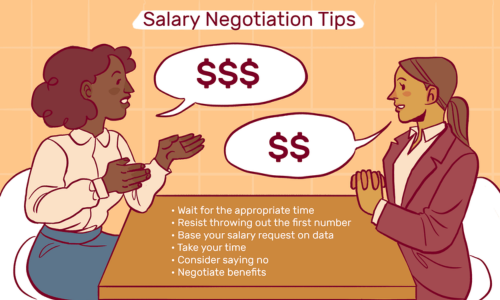
Asking for a raise is an important step in career growth, but many employees feel nervous about it. A salary increase is usually based on performance, experience, and the value you bring to the company. When done correctly, asking for a raise can be a professional and positive conversation that benefits both you and your employer.
Why Asking for a Raise Matters
A raise is not just about earning more money—it reflects your contribution to the organization. If you have taken on more responsibilities, improved performance, or helped the company achieve goals, it is reasonable to discuss higher compensation.
Regular salary reviews also help ensure that your pay stays aligned with industry standards and inflation.
Best Time to Ask for a Raise
Timing plays a major role in the success of your request. The best times to ask include during performance reviews, after completing a major project, or when you have taken on additional responsibilities.
Avoid asking during stressful company periods or when the organization is facing financial difficulties.
Steps to Ask for a Raise Professionally
The table below outlines key steps to help you request a raise in a confident and professional way.
| Step | Description |
|---|---|
| Evaluate Your Performance | Review your achievements and contributions. |
| Research Salary Standards | Check market rates for your role and experience. |
| Choose the Right Time | Pick a positive and appropriate moment. |
| Prepare Your Case | List accomplishments and added responsibilities. |
| Be Professional | Communicate respectfully and confidently. |
| Be Ready for Response | Accept feedback or negotiation outcomes calmly. |
Build a Strong Case
Before asking for a raise, it is important to clearly show your value. Highlight achievements such as completing successful projects, improving efficiency, or contributing to team goals.
Use facts and results instead of emotions. For example, mention how your work improved productivity, increased sales, or saved time for the company.
Practice Your Conversation
It is helpful to prepare and practice what you will say before the meeting. This helps you stay confident and avoid nervousness.
Keep your tone polite and professional. Focus on your contribution rather than personal financial needs.
Be Open to Feedback
Sometimes, employers may not be able to offer a raise immediately. In such cases, ask for feedback on what improvements are needed for future salary increases.
Being open to discussion shows professionalism and long-term commitment to your role.
Common Mistakes to Avoid
One common mistake is demanding a raise without proper preparation. Another is comparing your salary directly with coworkers, which can create discomfort.
It is also important not to threaten to leave the job unless you are fully prepared for that decision.
Conclusion
Asking for a raise is a normal part of career development. By choosing the right time, preparing your achievements, and communicating professionally, you can increase your chances of success. Even if the answer is not immediate, the process helps you understand your value and improve your future career growth opportunities.