Federal vs State Government Jobs
Federal vs State Government Jobs
Government jobs are a popular career choice in the United States because they offer stability, benefits, and long-term career growth. However, many job seekers are confused about the difference between federal and state government jobs. Both types offer great opportunities, but they differ in scope, responsibilities, salary structures, and job benefits.
Understanding Government Jobs
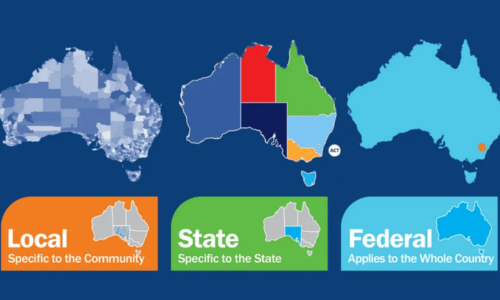
Government jobs are divided into three main levels: federal, state, and local. Federal jobs are controlled by the national government, while state jobs are managed by individual state governments. Each level plays an important role in public administration and service delivery.
Choosing between federal and state employment depends on your career goals, lifestyle preferences, and desired job location.
Key Differences Between Federal and State Jobs
The table below highlights the main differences between federal and state government jobs.
| Feature | Federal Jobs | State Jobs |
|---|---|---|
| Employer | Central U.S. government | Individual state governments |
| Scope | Nationwide responsibilities | State-level responsibilities |
| Salary | Generally higher pay scales | Moderate but stable income |
| Benefits | Strong federal benefits package | Good state-specific benefits |
| Job Locations | Across the country or overseas | Limited to specific states |
| Examples | FBI agent, IRS officer | State teacher, state police officer |
Examples of Federal Government Jobs
Federal jobs are offered by national agencies that operate across the entire country. These positions often involve national security, taxation, defense, and large-scale administration.
Some common federal employers include:
- Federal Bureau of Investigation
- Internal Revenue Service
- United States Postal Service
- Department of Homeland Security
Federal jobs often require competitive exams, background checks, and strict eligibility criteria.
Examples of State Government Jobs
State government jobs are managed by individual states and focus on local governance and public services. These roles are essential for education, law enforcement, transportation, and healthcare at the state level.
Common state jobs include:
- Public school teachers
- State police officers
- Social workers
- Administrative officers
- Healthcare workers in state hospitals
State jobs often provide strong job security and a stable work environment.
Which One Should You Choose?
Choosing between federal and state jobs depends on your priorities. If you want higher salaries, broader job roles, and nationwide opportunities, federal jobs may be better. If you prefer staying in one location with a stable lifestyle and fewer transfers, state jobs may be more suitable.
Both options offer long-term security and benefits, so the best choice depends on your personal and professional goals.
Skills Required for Government Jobs
Both federal and state jobs require strong communication, analytical thinking, and problem-solving skills. Many positions also require specific qualifications such as degrees, certifications, or passing civil service exams.
Discipline, responsibility, and attention to detail are important qualities for success in both types of roles.
Conclusion
Federal and state government jobs both offer excellent career opportunities, but they differ in scope, salary, and job responsibilities. Federal jobs provide nationwide exposure and higher pay, while state jobs offer stability and local career paths. By understanding these differences, job seekers can choose the path that best fits their goals and lifestyle.