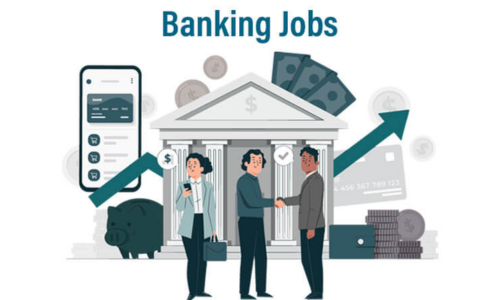
Jobs in the Banking Industry
Jobs in the Banking Industry
The banking industry is one of the most important sectors in the global economy. Banks help individuals, businesses, and governments manage money, access credit, and achieve financial goals. As the financial sector continues to evolve with new technologies and customer needs, banking remains a popular career choice for people seeking stability, professional growth, and competitive salaries.
Why Choose a Career in Banking?
A career in banking offers numerous benefits, including job security, career advancement opportunities, and exposure to the financial world. Banking professionals play a key role in helping customers manage their finances, secure loans, invest funds, and plan for the future.
The industry also provides opportunities to work in various areas such as customer service, lending, investment management, risk assessment, and financial analysis. With the rise of digital banking, professionals can also explore technology-focused roles within the sector.
Popular Jobs in the Banking Industry
The banking industry offers a variety of positions suited to different skills and interests. The following table highlights some of the most common banking careers and their responsibilities.
| Banking Job | Main Responsibilities |
|---|---|
| Bank Teller | Assists customers with deposits, withdrawals, and account services. |
| Customer Service Representative | Handles customer inquiries and resolves banking issues. |
| Loan Officer | Evaluates loan applications and assists customers with financing options. |
| Financial Analyst | Analyzes financial data and provides business recommendations. |
| Investment Banker | Helps organizations raise capital and manage financial transactions. |
| Credit Analyst | Assesses the creditworthiness of individuals and businesses. |
| Branch Manager | Oversees daily branch operations and staff performance. |
Skills Needed for Banking Careers
Successful banking professionals possess strong analytical and communication skills. Attention to detail is essential because financial transactions require accuracy and compliance with regulations. Customer service skills are also important, especially for roles involving direct interaction with clients.
Other valuable skills include problem-solving, teamwork, financial literacy, and the ability to work with banking software and digital tools. As technology continues to transform the industry, adaptability and willingness to learn are increasingly important.
Education and Qualifications
Many banking careers require a degree in finance, accounting, business administration, economics, or a related field. However, some entry-level positions may only require a high school diploma and on-the-job training.
Professional certifications and specialized training can improve career prospects and help professionals advance to higher-level positions. Internships and practical experience are also valuable for gaining industry knowledge and building professional networks.
Future Opportunities in Banking
The banking industry continues to evolve with the growth of online banking, mobile applications, and financial technology. These changes are creating new opportunities in digital banking, cybersecurity, data analysis, and financial technology services.
Professionals who develop both financial and technological skills will be well-positioned to take advantage of future career opportunities. The demand for skilled banking employees remains strong as institutions adapt to changing customer expectations and market trends.
Conclusion
Jobs in the banking industry offer a rewarding combination of stability, career growth, and financial expertise. With a wide range of roles available, individuals can find opportunities that match their interests and strengths. By developing strong financial knowledge, communication skills, and practical experience, aspiring professionals can build a successful and long-lasting career in the banking sector.