Careers in Human Resources
Careers in Human Resources
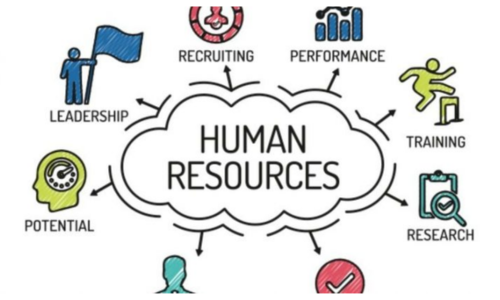
Human Resources (HR) is a vital department in every organization. HR professionals are responsible for managing employee relations, recruitment, training, performance management, and workplace policies. As businesses continue to grow and focus on employee development, careers in Human Resources have become increasingly important and rewarding. For individuals who enjoy working with people and helping organizations succeed, HR offers a promising career path.
Why Choose a Career in Human Resources?
A career in Human Resources provides the opportunity to make a positive impact on both employees and organizations. HR professionals help companies attract talented employees, create a productive work environment, and ensure compliance with workplace regulations.
The field also offers strong job stability and career growth opportunities. Since every organization needs HR support, professionals can find employment in various industries such as healthcare, education, technology, finance, retail, and manufacturing.
Popular Human Resources Careers
Human Resources includes several specialized roles. The following table highlights some of the most common HR careers and their responsibilities.
| HR Career | Main Responsibilities |
|---|---|
| HR Assistant | Supports HR operations and maintains employee records. |
| Recruiter | Identifies, interviews, and hires qualified candidates. |
| HR Generalist | Handles recruitment, employee relations, and policy implementation. |
| Training and Development Specialist | Organizes employee training and skill development programs. |
| Compensation and Benefits Specialist | Manages employee salaries, benefits, and reward programs. |
| Employee Relations Manager | Resolves workplace conflicts and promotes positive employee engagement. |
| HR Manager | Oversees all HR functions and develops workforce strategies. |
Essential Skills for HR Professionals
Successful HR professionals require a combination of interpersonal and organizational skills. Strong communication skills are essential because HR employees interact with staff, managers, and job applicants regularly. Problem-solving, leadership, conflict resolution, and decision-making abilities are also important.
In addition, HR professionals should be detail-oriented and capable of handling confidential information responsibly. Knowledge of labor laws and workplace regulations is beneficial for ensuring compliance and protecting both employees and employers.
Education and Qualifications
Many HR professionals earn degrees in Human Resources, Business Administration, Psychology, or related fields. However, practical experience and professional certifications can also enhance career opportunities.
Internships and entry-level HR positions provide valuable experience and help individuals understand workplace operations. Continuing education and training programs can further strengthen professional skills and increase advancement opportunities.
Career Growth in Human Resources
Human Resources offers a clear path for career progression. Individuals often begin in support roles and gradually advance to specialist, manager, director, or executive positions. As organizations place greater emphasis on employee well-being, diversity, and workplace culture, HR professionals are becoming increasingly influential in business decision-making.
The growing use of technology in HR has also created opportunities in areas such as HR analytics, talent management, and workforce planning.
Conclusion
Careers in Human Resources are ideal for individuals who enjoy working with people and contributing to organizational success. With a variety of career paths, strong job demand, and opportunities for advancement, HR remains an attractive profession. By developing communication skills, gaining practical experience, and continuing professional education, aspiring HR professionals can build a successful and rewarding career in this important field.